
ספייס-אקס של מאסק גייסה 75 מיליארד דולר בהנפקה הגדולה בהיסטוריה. האם בשורה טובה? לא בטוח...
12.06.26 / 12:21


חברת החלל והטכנולוגיה של אילון מאסק הונפקה לפי שווי של 1.77 טריליון דולר והפכה לחברה השמינית בגודלה בעולם. המהלך הפך את מאסק לטריליונר הראשון בהיסטוריה ואלפי עובדים למיליונרים, אך האם התהליך הזה טוב לאנושות בכללה או אפילו לארה"ב לבדה?
לו היה הטריליונר מאסק מראה שמץ של רצון לנתב חלק קטן מהונו לתיקון כשלים מבניים בחברה האמריקאית, אי היתה נראית ארה"ב?
ראו בהמשך:
Read the full article in English – scroll down the page
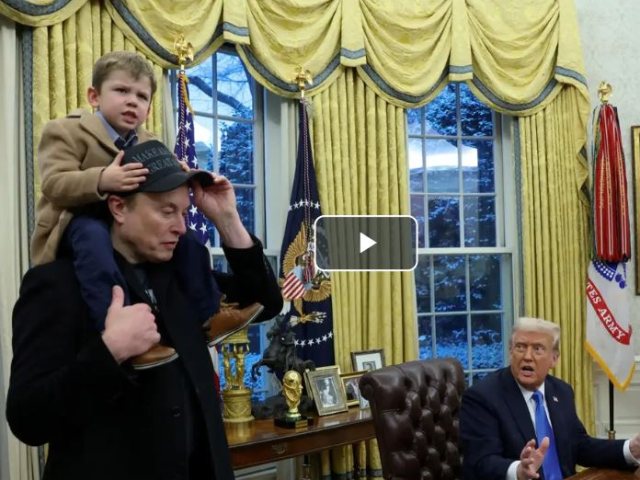
ספייס-אקס גייסה 75 מיליארד דולר בהנפקה הגדולה בהיסטוריה. האם זו בשורה טובה? לא בטוח...
חברת ספייס-אקס הכריזה על השלמת הנפקה ראשונה לציבור (IPO) במסגרתה גייסה 75 מיליארד דולר באמצעות מכירת כ-555.56 מיליון מניות במחיר של 135 דולר למניה. היקף הגיוס משקף לחברה שווי שוק של 1.77 טריליון דולר, נתון ההופך אותה להנפקה הגדולה ביותר בהיסטוריה מבחינת שווי וסכום גיוס כאחד, תוך שהיא עוקפת את שיא ההנפקה של חברת הנפט הסעודית ארמקו מ-2019.
בעקבות המהלך, ספייס-אקס מדורגת כעת כחברה השמינית בגודלה בעולם במונחי שווי שוק, כאשר מניותיה צפויות להתחיל להיסחר בבורסת נאסד"ק תחת הסימול SPCX.
ספייס-אקס, שנוסדה לפני 24 שנה כחברה לשיגור טילים, פועלת כיום כקונצרן טכנולוגי רחב הכולל את שירות האינטרנט הלווייני סטארלינק, רשת המדיה X ומערכות בינה מלאכותית.
בעקבות הזינוק בשווי החברה, הפך המייסד והמנכ"ל אילון מאסק לטריליונר הראשון בתולדות האנושות על הנייר, ועקף את ג'ון ד. רוקפלר בתור האיש העשיר בהיסטוריה. מעבר למאסק עצמו, ההנפקה יצרה הון משמעותי עבור עובדי החברה, כאשר למעלה מ-4,400 עובדים בהווה ובעבר הפכו למיליונרים. מתוכם, כ-400 עובדים מחזיקים כעת במניות בשווי העולה על 100 מיליון דולר. .
במקביל להצלחה הכלכלית, סוכנות הידיעות האיראנית "פארס" דיווחה כי משמרות המהפכה הכניסו את אילון מאסק לבנק המטרות הרשמי של צבא איראן. לפי הדיווחים, הצעד מגיע בעקבות השימוש שעושים צבאות ארה"ב וישראל בתשתיות סטארלינק ובשירותי החברה, לצד מעורבותו הפוליטית של מאסק בממשל האמריקאי. גורמים באיראן האשימו את ארה"ב בביצוע פעולות צבאיות באמצעות חברותיו של מאסק וציינו כי המדינה שומרת לעצמה את הזכות לפגוע בתחנות קרקע ובמתקנים הקשורים לחברה באזור המזרח התיכון.
ומהן ההשלכות החברתיות? חומר למחשבה:
ריכוז הון כה קיצוני בידיו של אדם אחד, כפי שמשתקף במקרה של אילון מאסק, מציב סימן שאלה גדול מעל יסודות הסדר החברתי והדמוקרטי הגלובלי. כאשר יחיד מחזיק בהון העולה על התוצר הלאומי של מדינות שלמות, כוח ההשפעה על סדר היום העולמי מוסט בהכרח מההנהגה הנבחרת אל המגזר הפרטי. המצב הזה מייצר מציאות שבה החלטות גורליות לגבי טכנולוגיה, תשתיות ותקשורת המונים מתקבלות על פי תפיסת עולם אישית ואינטרסים פרטיים, ללא מנגנונים מספקים של פיקוח ציבורי או דין וחשבון לחברה ואפילו לא החשש מבחירות..
הבעיה המרכזית אינה עצם העושר, אלא העובדה שהוא מאפשר לקבוע סדרי עדיפויות אנושיים באופן בלתי פרופורציונלי. אני חושש כי המבנה הכלכלי הנוכחי, המאפשר צבירת הון כה מסיבית, מערער את החוזה החברתי הבסיסי ומעמיק את תחושת הניכור והחוסר אונים של האזרח מן השורה מול כוחם של תאגידים ובעליהם.
שאלתי בכותרת האם התהליך הזה טוב לעולם. בואו נעזוב את העולם ונסתפק בארה"ב, שם התאזרח מאסק ועל מדיניותה וכלכלתה השיג השפעה כה רבה !
לו היה הטריליונר מאסק מראה שמץ של רצון לנתב חלק קטן מהונו לתיקון כשלים מבניים בחברה האמריקאית, אי היתה נראית ארה"ב?
שאלתי זאת את ג'מיניי (...) והוא השיב כי:
הנתונים המחקריים מראים כי ניתן היה לחולל שינוי יסודי. בתחום העוני והדיור. הערכות רשמיות של מחלקת השיכון והפיתוח העירוני בארצות הברית מצביעות על כך שסכום של כ-20 עד 30 מיליארד דולר בלבד יכול היה לפתור מערכתית את בעיית מחוסרי הבית במדינה באמצעות אספקת דיור קבע ותוכניות תמיכה מלוות. בנוסף, מימון של ארוחות בוקר וצהריים חינם לכל תלמיד במערכת החינוך הציבורית האמריקאית נאמד בכמה מיליארדים בודדים בשנה, צעד שהיה מבטיח ביטחון תזונתי למיליוני ילדים ומקל משמעותית על משפחות עובדות מתחת לקו העוני.
בגזרת הבריאות והעלויות המעיקות על הציבור האמריקאי, היקף הון כזה יכול היה לשנות את מציאות החיים באופן ישיר. באמצעות רכישת חובות רפואיים בשוק המשני – שם חובות נמכרים בסנטים בודדים לכל דולר – ניתן היה למחוק לחלוטין את העול הכלכלי המעיק על מיליוני אזרחים שנקלעו למשבר פיננסי בשל טיפולים רפואיים, בעלות המהווה שבריר קטן מסך נכסיו של מאסק. מעבר לכך, הקמת קרן ייעודית בסדר גודל כזה הייתה יכולה לממן בנייה והפעלה של מאות מרפאות קהילות באזורים מוחלשים ובפריפריה הגיאוגרפית, ולהנגיש טיפול רפואי וסבסוד תרופות למי שאינם מחזיקים בביטוח בריאות פרטי ומקיף.
בסופו של דבר, הדיון בדוגמאות אלו אינו עוסק רק בפילנתרופיה אלא ביכולת המערכתית לפתור בעיות יסוד. מחיקת חובות או בניית תשתיות מבוססות הון פרטי הן פתרונות נקודתיים, ואין בהן כדי להחליף רשתות ביטחון מדינתיות יציבות.
המסקנה העולה מהמצב הנוכחי היא שהסתמכות על רצונו הטוב של אדם יחיד, עשיר ככל שיהיה, מדגישה את חולשתן של המערכות הציבוריות ואת הצורך ברפורמות עומק במדיניות המיסוי והחלוקה מחדש של העושר, כדי להבטיח שהמשאבים הגלובליים ישרתו את הכלל ולא את הפרט.
עד כאן תשובת ג'מיניי, לא נגעתי. ומדהים כמה שהבינה המלאכותית צודקת.
SpaceX Raised $75 Billion in the Largest IPO in History. Is This Good News? Not Necessarily...
SpaceX has announced the completion of its initial public offering (IPO), raising $75 billion by selling approximately 555.56 million shares at a price of $135 per share. The size of the funding round reflects a market valuation of $1.77 trillion for the company, a figure that makes it the largest IPO in history in terms of both valuation and the amount raised, surpassing the previous record set by Saudi Aramco's 2019 IPO.
Following the move, SpaceX is now ranked as the eighth-largest company in the world by market capitalization, with its shares expected to begin trading on the NASDAQ exchange under the ticker symbol SPCX.
SpaceX, founded 24 years ago as a rocket launch company, currently operates as a broad technology conglomerate that includes the Starlink satellite internet service, the X media network, and artificial intelligence systems.
Following the surge in the company's value, founder and CEO Elon Musk has become the first paper trillionaire in human history, surpassing John D. Rockefeller as the wealthiest person in history. Beyond Musk himself, the IPO generated significant wealth for the company's employees, turning over 4,400 current and former employees into millionaires. Among them, about 400 employees now hold shares valued at over $100 million.
Alongside the financial success, the Iranian Fars News Agency reported that the Islamic Revolutionary Guard Corps (IRGC) has added Elon Musk to the official target list of the Iranian military. According to the reports, this step comes as a result of the US and Israeli militaries' use of Starlink infrastructure and company services, alongside Musk's political involvement in the US administration. Iranian officials accused the US of conducting military operations through Musk's companies and stated that Iran reserves the right to strike ground stations and facilities related to the company in the Middle East.
And what are the social implications? Food for thought:
Such an extreme concentration of wealth in the hands of a single individual, as reflected in the case of Elon Musk, places a massive question mark over the foundations of the global social and democratic order. When an individual holds wealth that exceeds the gross domestic product (GDP) of entire nations, the power to influence the global agenda shifts inevitably from elected leadership to the private sector. This situation creates a reality where critical decisions regarding technology, infrastructure, and mass communication are made according to a personal worldview and private interests, without adequate mechanisms for public oversight, accountability to society, or even the fear of elections.
The core issue is not wealth itself, but rather the fact that it allows human priorities to be set in a disproportionate manner. I fear that the current economic structure, which enables such a massive accumulation of wealth, undermines the basic social contract and deepens the sense of alienation and helplessness felt by the average citizen in the face of the power of corporations and their owners.
In the headline, I asked if this process is good for the world. Let's leave the world aside and focus just on the United States—the country where Musk became a naturalized citizen, and over whose policy and economy he has gained so much influence!
If the trillionaire Musk showed even a shred of desire to channel a small fraction of his wealth toward fixing structural flaws in American society, what would the US look like?
I asked Gemini this question, and it replied that:
Research data shows that a fundamental change could be achieved in the fields of poverty and housing. Official estimates from the US Department of Housing and Urban Development (HUD) indicate that a sum of just $20 to $30 billion could systemically solve the country's homelessness crisis by providing permanent housing and supportive care programs. Additionally, funding free breakfast and lunch for every student in the American public school system is estimated at just a few billion dollars a year—a step that would guarantee food security for millions of children and significantly ease the burden on working families living below the poverty line.
In healthcare and the crushing costs weighing on the American public, a fortune of this scale could directly transform daily reality. By purchasing medical debt on the secondary market—where debt is sold for pennies on the dollar—the financial burden weighing on millions of citizens who fell into financial crisis due to medical treatments could be completely wiped out, at a cost that represents a tiny fraction of Musk's total assets. Furthermore, establishing a dedicated fund of this magnitude could finance the construction and operation of hundreds of community clinics in disadvantaged areas and geographical peripheries, making medical care and subsidized medications accessible to those who do not hold comprehensive private health insurance.
Ultimately, the discussion of these examples is not just about philanthropy, but about the systemic capacity to solve foundational problems. Wiping out debt or building infrastructure based on private capital are localized, point-in-time solutions, and they cannot replace stable state safety nets.
The conclusion drawn from the current situation is that relying on the goodwill of a single individual, no matter how wealthy, highlights the weakness of public systems and the need for deep reforms in tax policy and wealth redistribution to ensure that global resources serve the collective rather than the individual.
Thus far Gemini's response, untouched. And it is amazing just how right artificial intelligence is.